
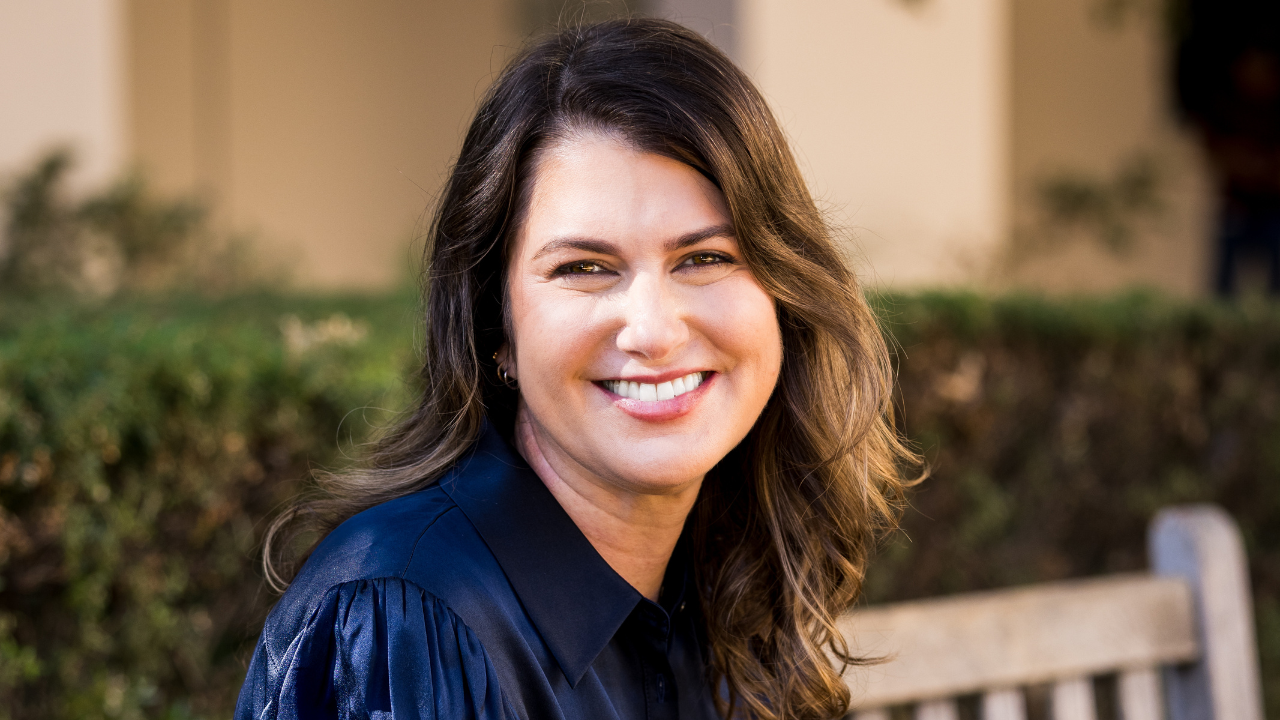
The Science and Psychology of Truly Restful Sleep
Apr 22, 2026Struggling to fall asleep? You might be trying too hard. In this powerful conversation, sleep expert and psychologist Melisa Moore breaks down the biggest misconceptions about sleep—and reveals why the more you try to sleep, the harder it becomes. Instead of forcing sleep, this episode introduces a simple but transformative shift: learning to wait for sleep rather than chase it. Melisa, who specialises in working with neurodivergent children and their families, also brings a compassionate and nuanced perspective to sleep challenges that often go overlooked. Through a blend of science and psychology, she offers a refreshing approach that helps you rethink your relationship with rest and begin to trust your body’s natural rhythms.
Throughout the conversation, you’ll gain a deeper understanding of why “trying” to sleep can actually keep you awake, and how sleep pressure and circadian rhythms work together to support natural rest. Melisa also explores how habits like napping can interfere with nighttime sleep, why overthinking and anxiety tend to surface at night, and how to gently calm the mind without force. Drawing from her work with neurodivergent individuals, she highlights how sleep can look different from person to person—and why honouring those differences is key to finding what truly works. She also touches on the hidden downsides of sleep tracking, reframes what “normal” sleep really looks like, and shares practical, accessible tools you can use immediately. The result is a grounded, reassuring approach that shifts sleep from something you control to something you allow—by creating the right conditions and letting your body do the rest.
Points Of Discussion:
00:00 – Why sleep is not a luxury
03:30 – Normal sleep vs real sleep problems
07:30 – Sleep myths you still believe
13:00 – Why you can’t force yourself to sleep
17:15 – “Try to sleep” vs “Wait for sleep” (game-changing shift)
19:00 – The truth about naps
30:00 – Sleep aids & melatonin
45:45 – Anxiety, overthinking & nighttime thoughts
48:30 – Why you should stop tracking your sleep
50:00 – Mental techniques to fall asleep faster
56:00 – What the book teaches & practical tools
59:30 – Final message: hope & healing
Resources & Links:
Website - https://www.drmelisamoore.com/
Facebook - https://www.facebook.com/Dr.MelisaMoore/
Instagram - https://www.instagram.com/drmelisamoore
LinkedIn - https://www.linkedin.com/in/melisa-moore-6589a340
About Melisa Moore:
Melisa Moore, PhD, is the author of The Good Sleep Guide for Neurodivergent Kids. A clinical psychologist board certified in behavioral sleep medicine, she currently works for the Sleep Center at Rady Children’s Health San Diego helping to develop their behavioral sleep medicine program. She also has a practice in the Los Angeles area working with children, teens, and young adults across the country for a variety of sleep and mood issues, specializing in neurodiversity.
Stay connected with news and updates!
Join our mailing list to receive strategies for healing, transformation and impact.
We hate SPAM. We will never sell your information, for any reason.
